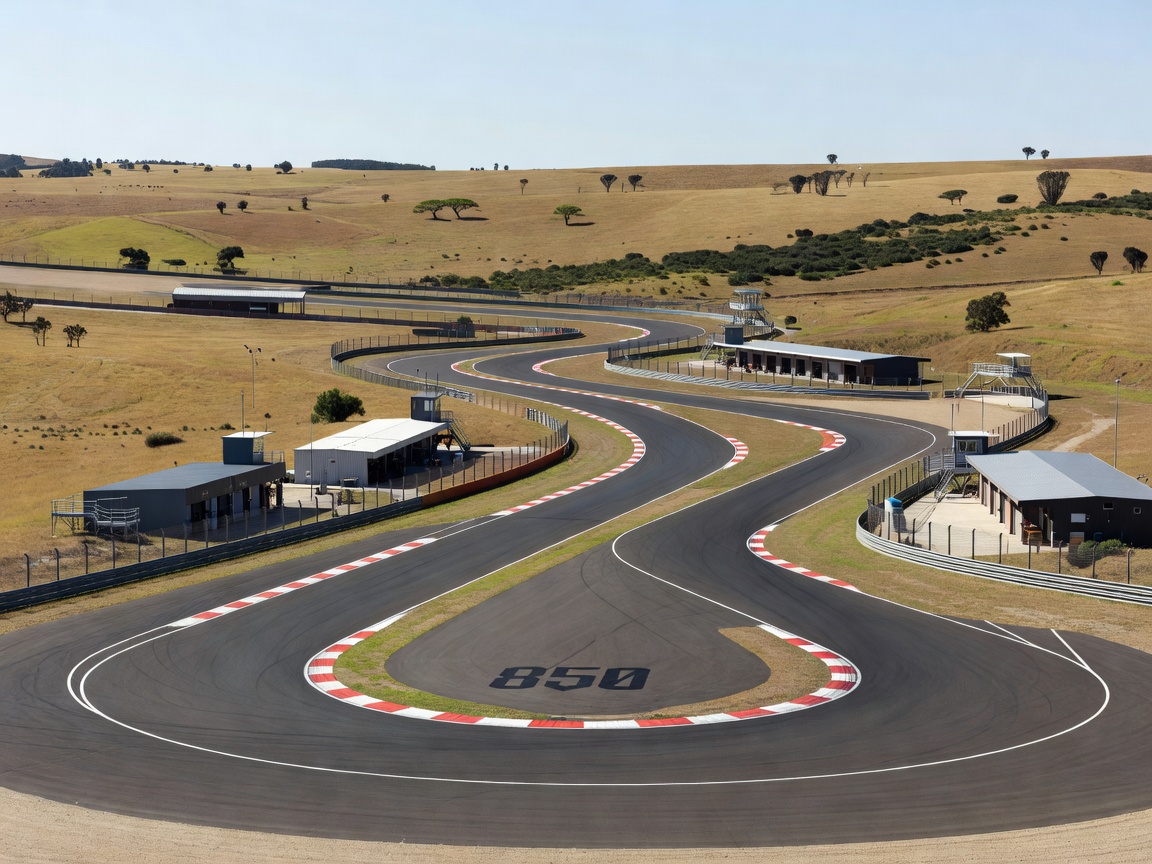
Start with the circuit format
A circuit may be purpose-built for closed-course competition, adapted for several kinds of vehicle activity, or used for a limited range of organised sessions. The layout determines how a session flows. Long straights, technical turns, elevation changes and compact configurations each create a different operating environment. Do not infer a venue’s permitted activities from a photograph or map alone. Check the event listing and venue information for the configuration in use.
For a spectator, the route around the circuit matters as much as the track itself. A venue with several public viewing points can offer a broader impression of a race than one accessible bank. For a participant, check what the session format allows and whether the venue describes the layout as suitable for that activity. Circuit characteristics are not a substitute for event-specific rules.
Compare surface and weather exposure
Surface condition affects the experience, but it can change between visits and around a single venue. Look for current organiser guidance rather than assuming every section has the same grip or condition. Rain, temperature and standing water can affect schedules and activity. A dry-day image cannot tell you how a surface behaves in wet weather. Organisers may alter a timetable or operating plan when conditions require it.
Open circuits can expose spectators to wind and rain. A tree line may provide some shelter in one area but not another. Check whether the permitted viewing zones include covered space, and plan clothing for standing outdoors. For driving sessions, the venue briefing and staff instructions take precedence over personal expectations about conditions.
Check paddock and pit provision
Paddock and pit areas support very different needs. A paddock may function as a staging area, participant workspace or event hub. Pit access may be restricted, timed or unavailable to general ticket holders. Do not assume a ticket includes paddock access or that a visible garage is open. Check the access categories, wristband requirements and any controlled-area notices for your event.
Facilities to look for include registration, toilets, food options, accessible routes, parking and sheltered waiting space. Availability can depend on the event and its operating hours. A large-looking venue does not guarantee that every service operates on every date. Ask the organiser about requirements that affect your visit, including mobility access or an early arrival.
Read the spectator map as a practical tool
A circuit map can show public entrances, parking areas, viewing zones and walking distances. It may not show temporary closures or event-day changes. Use the current map attached to the specific event information where available. Identify a meeting point, the route from parking and the position of basic facilities before arriving. If you are attending with children or anyone who needs a slower route, allow more time between locations.
Compare a venue’s visual variety with the amount of walking required. Multiple viewpoints can be rewarding, but moving between them may take time or involve uneven ground. Fixed seating and open banks offer different comfort and sightline trade-offs. Confirm whether seats are assigned, whether a bank is standing-only and whether bringing a folding chair is permitted.
Selection checklist
- Confirm the circuit configuration and activity for your date.
- Review current access, parking and spectator-zone information.
- Check surface and weather notices from the event provider.
- Identify registration, toilets, food and sheltered areas.
- Verify pit or paddock access instead of assuming it is included.
- Plan walking time between entry, viewing and facilities.
Good for
Use this guide if you are choosing between venue types, deciding whether a circuit suits a spectator visit, or checking the facilities relevant to a driving activity.
What to know
Layouts, services, public access and operating arrangements vary by venue and event. Confirm current information with the official provider. This independent guide is not affiliated with circuits or organisers.
Make the final comparison
Write down your priorities before comparing venues: type of activity, public access, facilities, travel effort and weather exposure. Treat each as a separate decision. A circuit with excellent spectator options may not offer the session you want; a convenient location may have limited event-day facilities. The best fit is the one whose published format, access and logistics match your plan. Avoid using unverified measurements or old event information to make a current decision.