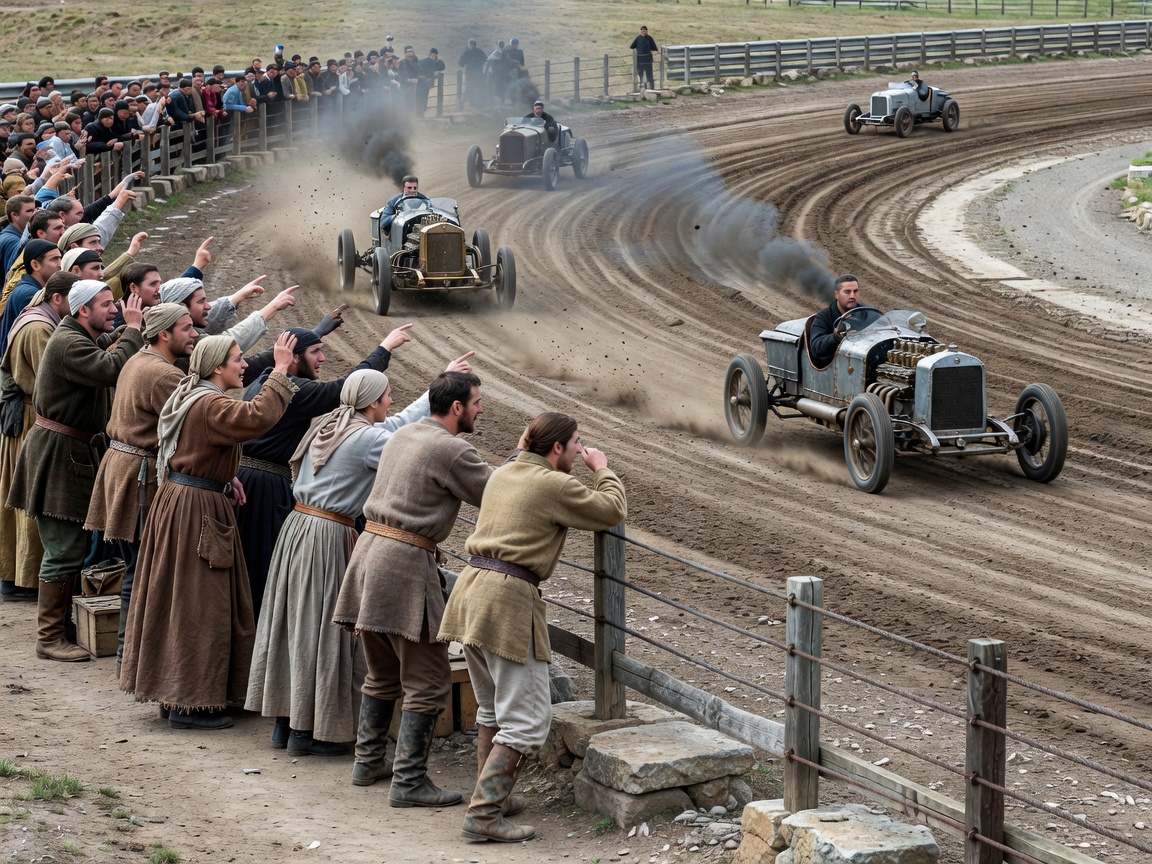
Pick a viewing area for the whole visit
Viewing areas can differ in sightline, seating, shelter and walking distance. A bank may give a wide view and an informal place to stand; a grandstand may offer fixed seating but a narrower angle. Trackside positions can be exposed to noise and weather. Use the event map and ticket description to compare what is actually included. Never cross fencing or enter a restricted area to improve a view.
Think about how long you expect to stay in one place. If you want to move between sections, check whether routes connect and whether a ticket permits access to all relevant areas. Allow time for walking, queues and event operations. With a group, agree on a meeting point in case mobile reception is limited or people choose different viewing spots.
Arrival and parking require a time buffer
Follow the event’s current arrival instructions. They may distinguish general parking, accessible parking, participant access, drop-off zones or other categories. The names and availability are event-specific. Check whether parking must be reserved, whether entry is from a particular gate and how far the walk may be. Do not assume that a circuit’s usual arrangement applies during a major event.
Arrive early enough to park, pass checks and reach your chosen location before the session you care about. If you have a timed ticket or a specific entry window, follow that instruction. Check road updates and allow for event traffic. An offline copy of your ticket or event details can be useful, while keeping any personal information secure.
Dress for sound, weather and walking
Motorsport can be loud. Suitable hearing protection is a sensible part of a spectator kit, especially for children and anyone sensitive to noise. Follow any event-specific guidance and use protection properly. Keep it accessible rather than buried in a bag. If you are unsure what type is appropriate for your situation, seek advice from a qualified source.
Conditions around an open venue can change quickly. Layers, rain protection and comfortable footwear make a long day easier. Choose shoes suited to uneven or wet ground. Bring sun protection when conditions call for it. Check the forecast near departure, but pack for a shift rather than relying on one prediction. A portable layer is easier to carry than trying to find shelter after the weather changes.
Food, water and facilities
Check what food and drink options the event says will be available. Do not assume that every outlet will operate or accept the same payment methods. Review rules on bringing your own food, bottles or bags. Keep water available and plan breaks. Identify toilets, first aid and accessible facilities on the map where provided. If an essential facility is not clear, contact the organiser before travel.
For families, make a simple plan with children: where to meet, who to approach for help and how to identify an event steward. Consider shorter viewing periods and quieter breaks. Keep children within reach near crowds and access routes. Never leave a child unattended in a public event area.
Photography and considerate behaviour
Photography rules may restrict professional equipment, tripods, flash or images made from controlled areas. Check the event’s published policy. Keep camera use from blocking other people’s view, and do not photograph restricted activity where signs prohibit it. Keep walkways, emergency routes and working areas clear. Follow steward instructions and respect other visitors’ space.
Be patient during busy movements between sessions. Use marked routes, dispose of waste responsibly and avoid distracting drivers or staff. If an event publishes a code of conduct, read and follow it. Rules may differ from one venue or organiser to another.
Spectator checklist
- Read the current schedule, ticket conditions and site map.
- Confirm entry gate, parking category and arrival instructions.
- Pack hearing protection, weather layers and suitable shoes.
- Check food, water, bag and photography rules.
- Choose a meeting point and agree a family plan.
- Keep clear of barriers, working zones and emergency routes.
Good for
First-time visitors, families, groups and anyone who wants to make an outdoor event day more comfortable.
What to know
Access, permitted items, facilities and photography rules vary. Confirm the current policy with the event organiser; this guide does not set venue rules.
Keep the day flexible
Choose a primary viewing location and a backup. Plan breaks around the running order rather than trying to follow every session from every corner. If weather or crowd movement changes your plan, use marked routes and follow staff directions. A few practical checks before departure can prevent avoidable uncertainty once you arrive.